Proiect ECO_FRUCT_BN
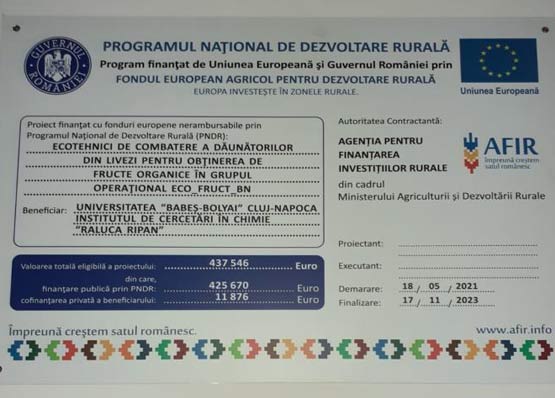
THE USE OF ECOFRIENDLY TECHNIQUES FOR ORCHARD INSECT PEST MANAGEMENT TO OBTAIN ORGANIC FRUITS IN OPERATIONAL GROUP ECO_FRUCT_BN
161A0000011860600004_EIP_008_v.1
| Country | ROMANIA |
| Rural Development Programme 2014RO06RDNP001 | Romania - Rural Development Programme (National) |
| Main geographical location (NUTS3) |
RO112 - Bistrita-Nasaud |
| Name | POJAR-FENESAN MARIA |
| Address | 30 Fantanele street, 400294 CLUJ-NAPOCA, ROMANIA |
| mariafenesan@gmail.com | |
| Telephone | +40-264580165, 0756140814 |
| starting date | 2021 |
| end date | 2023 |
ongoing
Rural development programme
437.546,00 €
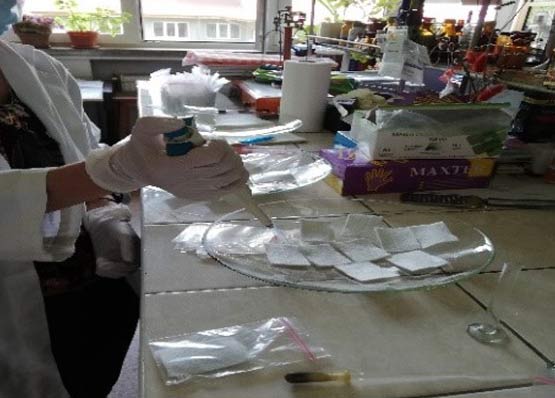
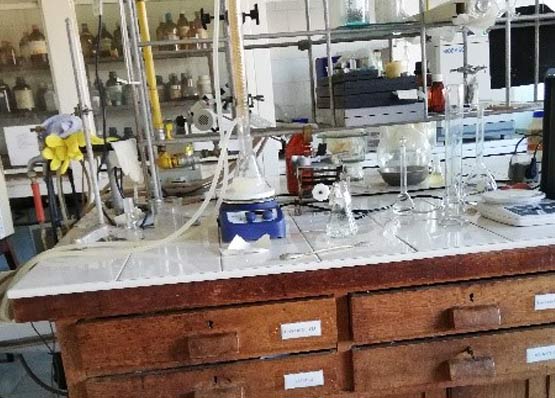
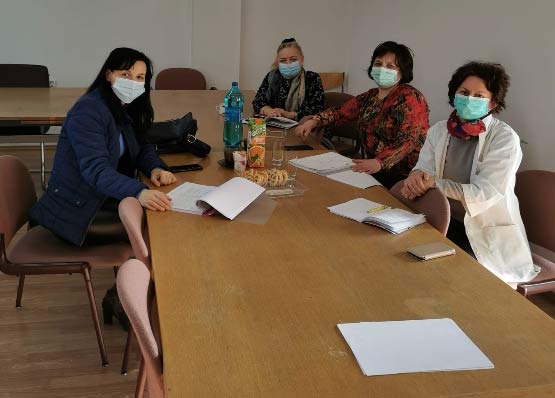
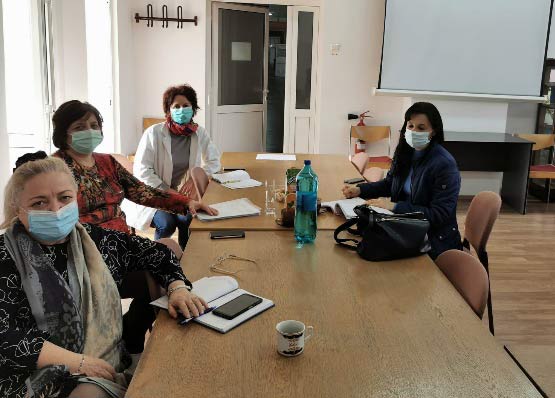
The overall objective of the project ECO_FRUCT_BN is formation an Operational Group (OP) for aplly PNDR Mesure 16. sM 16.1a with aims to develop, apply and demonstrate an economically viable strategic plan to implement integrated pest management (IPM), by promoting the use of low-chemical approaches in orchards and post-harvest fruit production in Bistrita-Romania agro-ecosystems. The ecotechniques are safety. Promote practices will reduce the use of pesticides, a good quality of fruits as market demand, and lower environmental impact.
Read more
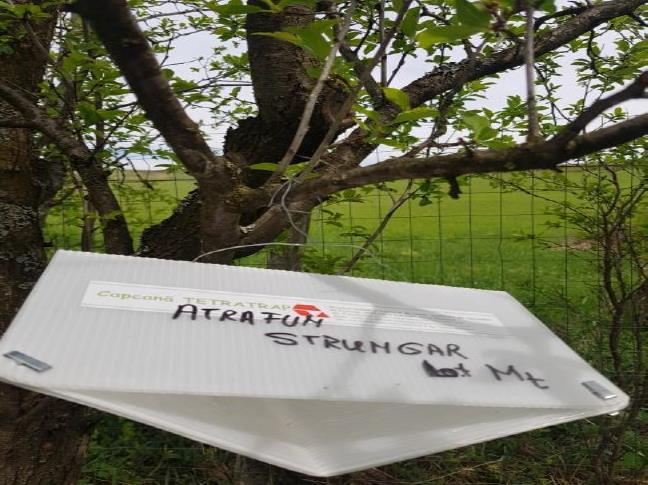
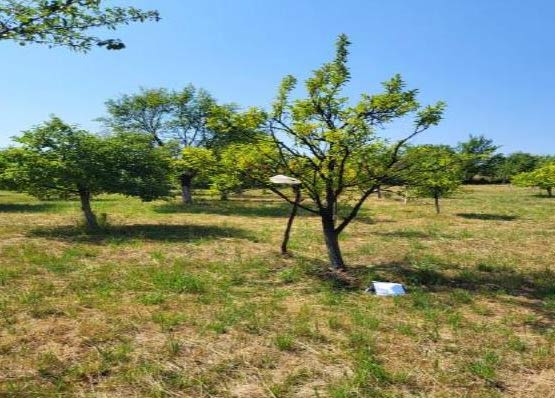
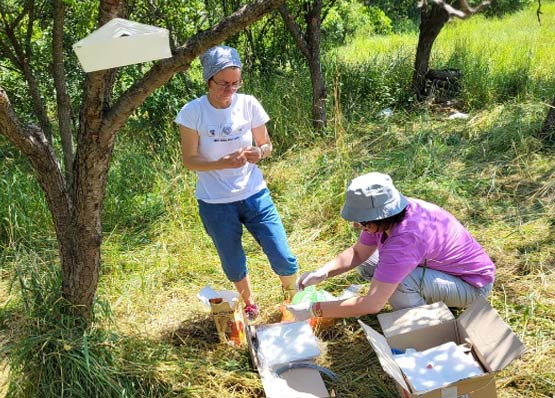
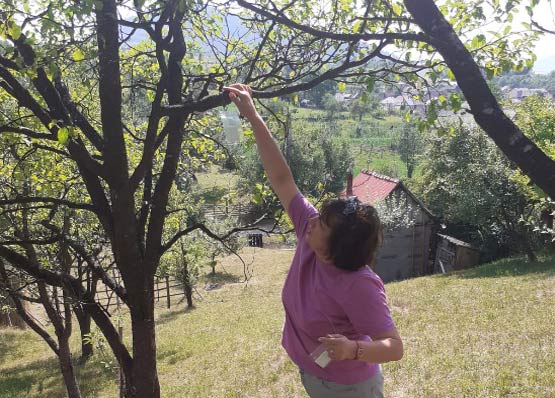
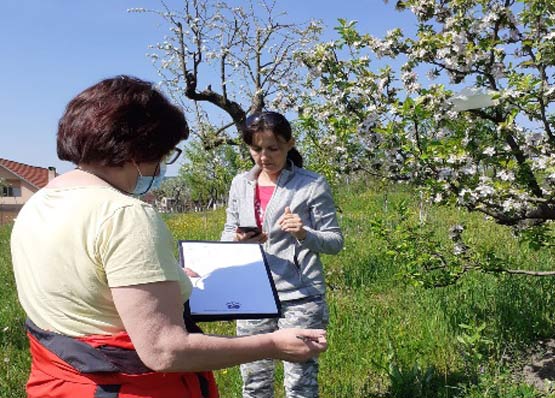
In the Annual Work Program (AWP) 2019 European Commission proposes in rural development policy as new objectives: the development of sustainable agriculture, rural employment, healthy eating and promoting consumption of fruits and vegetables as a daily practice. Our project technologies could contribute to the preservation of the environment and biodiversity. For pests control common practices in Romanian orchards are using various pesticides. Pests, such as the apple worm (Cydia pomonella), the apple stem borer (Synanthedon myopaeformis) the plum worm (Grapholita funebrana), the plum fly (Eriotoma amigdalis). Operational group ECO_FRUCT_BN will tested innovative experiments in orchards situated in the hill and mountain area of Bistrita county. Researchers, specialists in ecological chemistry from „Babeș-Bolyai” University –Institute for Research in Chemistry „Raluca Ripan” has the necessary expertise to implement an IPM strategies for pest control without eradication useful fauna, (entomophagous, with important role in biocenotic balance), but bringing the pest population to a density below the economic damage threshold. In traditional orchards for obtaining organic fruit, as the market demands, chemical treatments (repeated spraying with insecticides, which affect the entire biocenosis) will be replaced by the MD method (mating disruption), accepted in EU organic farming, specific and selective, which uses ecomons (pheromones and kairomoni). It will also be proposed an experiment with a method for storing organic fruits for a long time. Farmers intend to develop their own small organic farms in order to obtain and store organic fruits, apples, plums, pears "clean", with taste and fragrance, without toxic load. These goal will be realized by the technological transfer of the applied researches
Perspectives for assimilating the results of the project: the creation of healthy / eco-friendly development models (to be followed by others), the possibility to introduce other new techniques / technologies to other farmers, the possibility to enter GO, the possibility to form other partnerships or to expand the existing ones, the introduction of the eco-friendly management system by other farmers as well, the stimulation of the development and the realization of investments in organic / eco products, etc. The identified market opportunities are primarily related to: